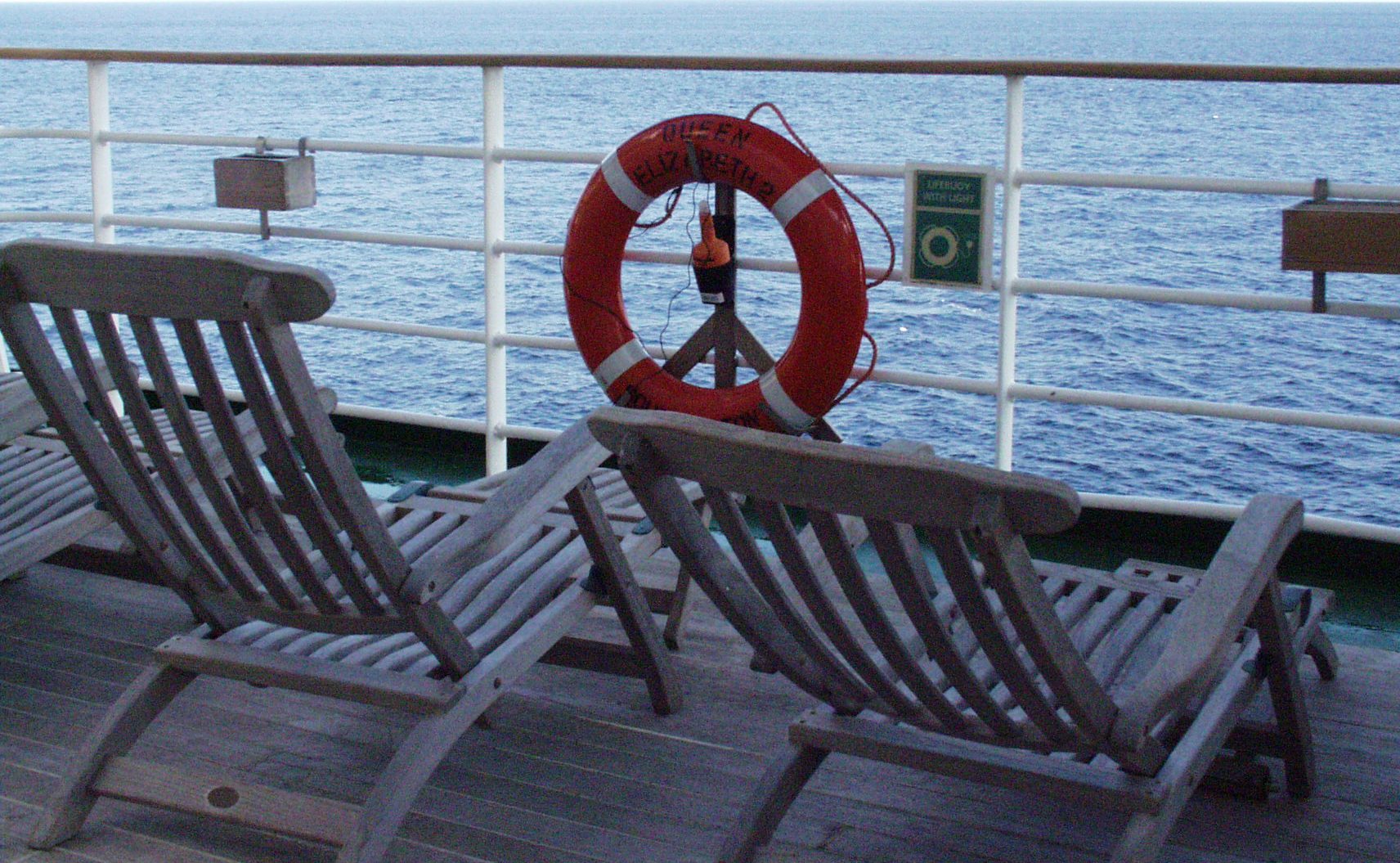
We recently returned from Québec City, where among several highlights was a Titanic exhibition at the Musée de la Civilisation.
Titanic: The Human Story was presented by Spain-based company Musealia with financial support from the Quebec government. And it was marvelous.
The narration summed it up well—each person has “not only a story to tell but a life to think about.”
General observations
Stories were put into context by sharing the history of immigration, social classes, shipping companies, ocean liners, and routes. This got high marks from my non-Titanic-enthusiast husband. As one example, he appreciated learning that 3rd class passengers were not necessarily poor as the movies depicted.
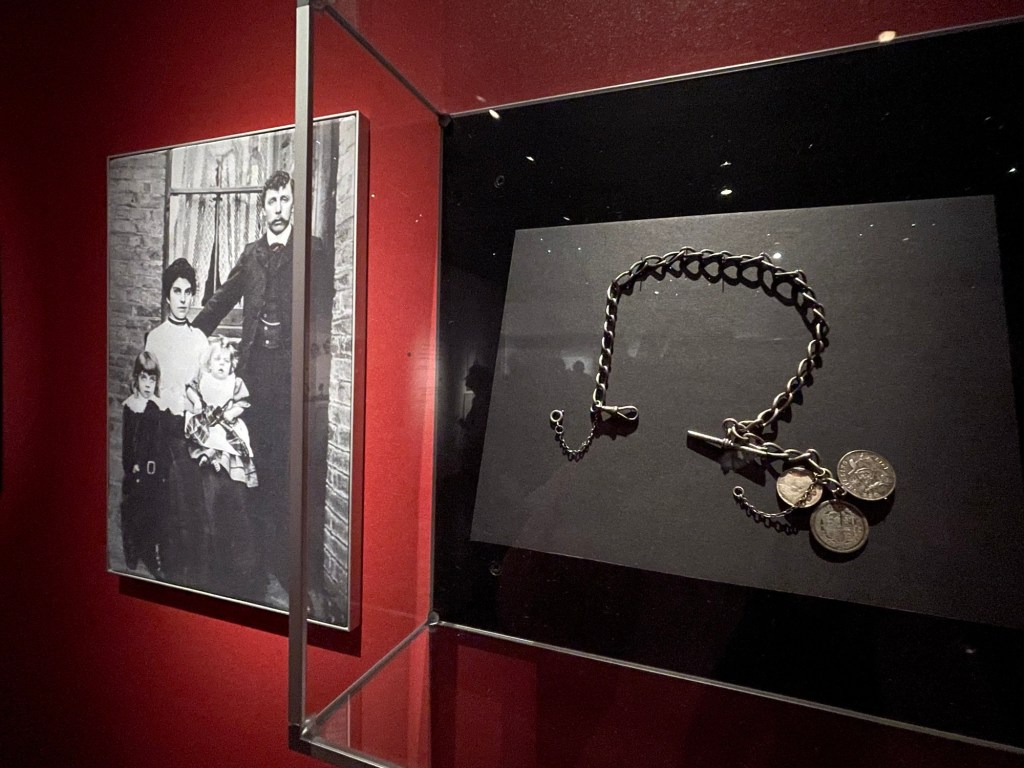
Overall, the focus was on the people. Wherever personal items were displayed, they were accompanied by a photo of the individual or family. This truly helped to make the exhibition about the people, adding a level of respect that is occasionally lacking from some exhibitions I’ve seen over the years.
There’s a lot share, so I’ll narrow it down to my top 10 (in no particular order).
Selected highlights
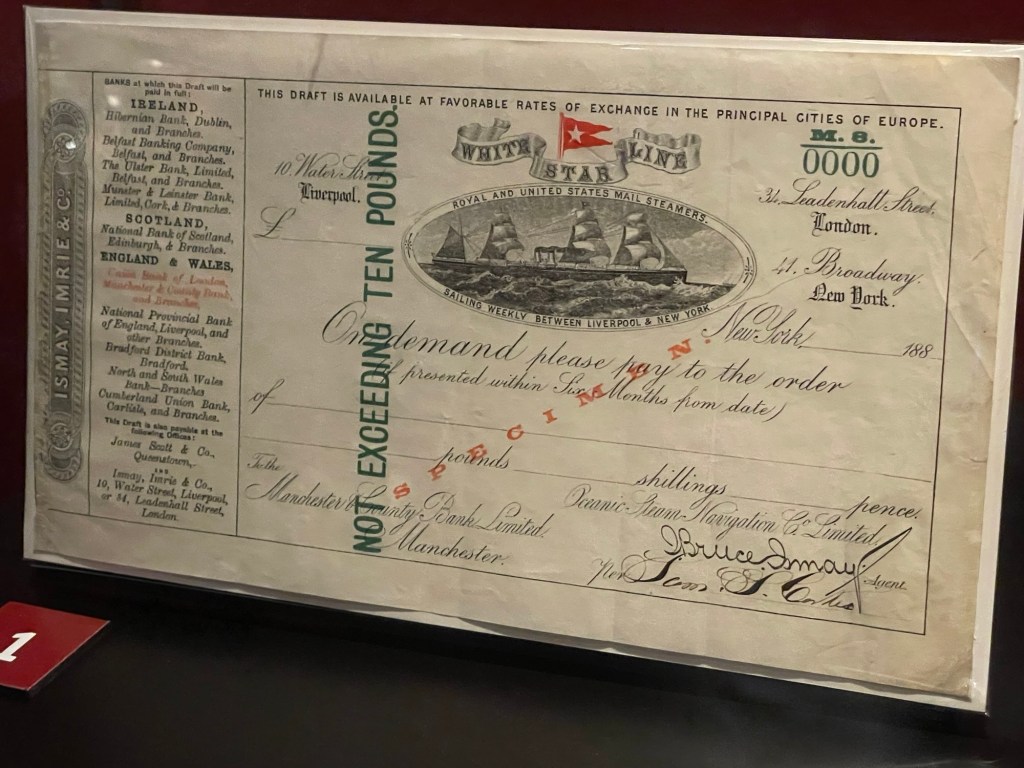
1. J. Bruce Ismay’s signature on a White Star Line traveler’s check in the 1880s:
2. White Star Line agent brochures with views of 1st and 2nd classes on Olympic and Titanic:

3. Watches owned by Austin Partner (shown below), Henrik Kvillner, and Carl Asplund (1st, 2nd, and 3rd class, respectively), all of whom perished:

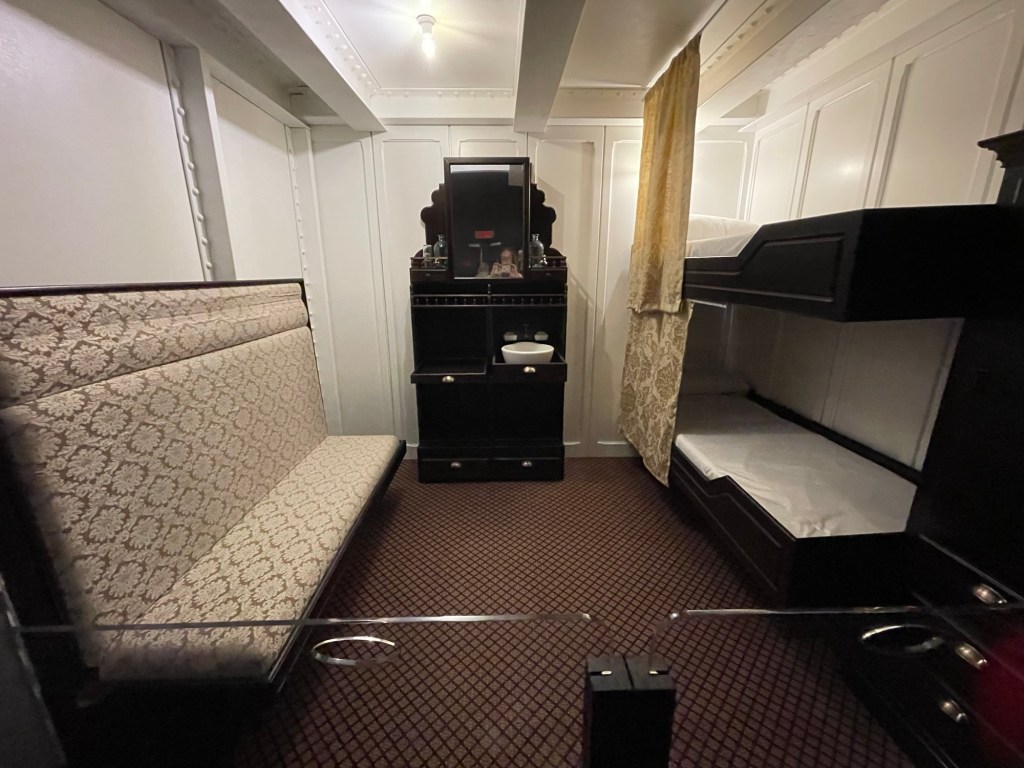
4. Recreation of a 2nd class cabin (exciting for me as 2nd class is frequently overlooked in many exhibitions):
5. Young Frank Goldsmith’s (3rd class) watch chain (special to me as I have the honor of knowing one of his sons):
6. Jacob Alfred Johansson’s (3rd class, perished) comprehensive diary, as anything handwritten is unique to the person:

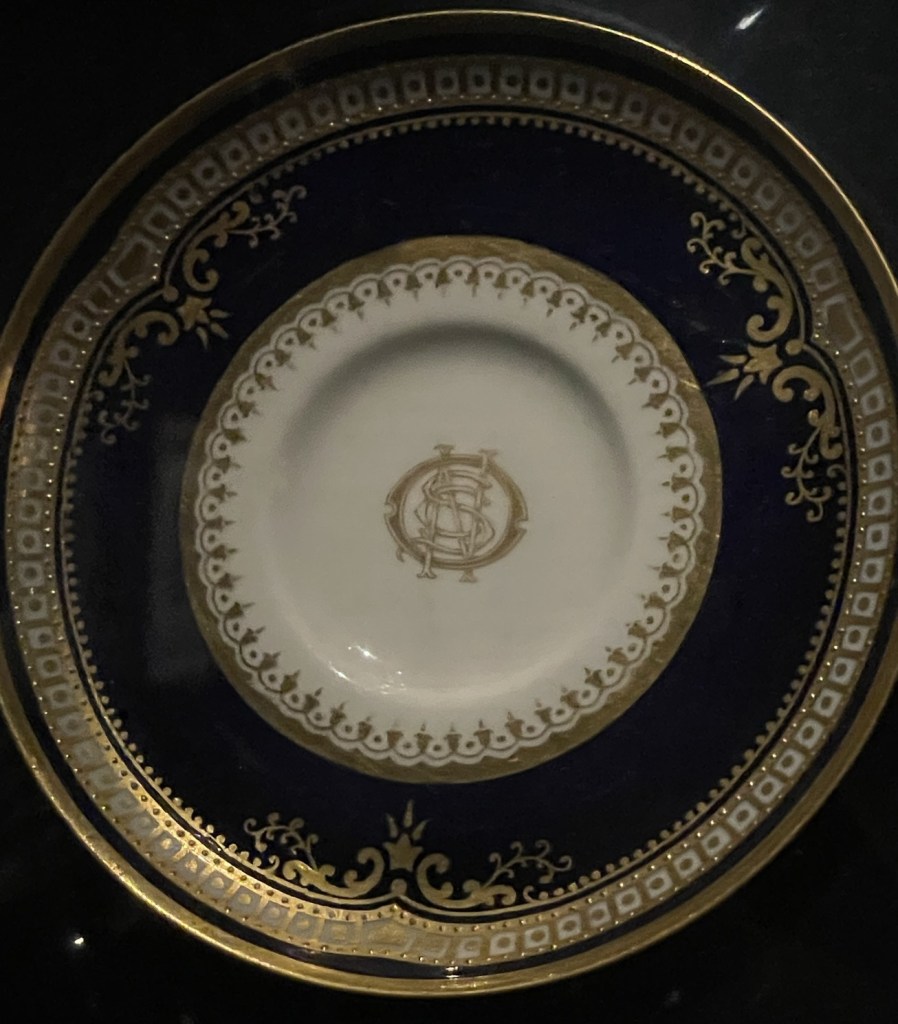
7. Saucer from Luigi Gatti’s â la carte restaurant, taken ashore in Southampton by a steward (and special to me as a good friend is a grandniece of 2 waiters):
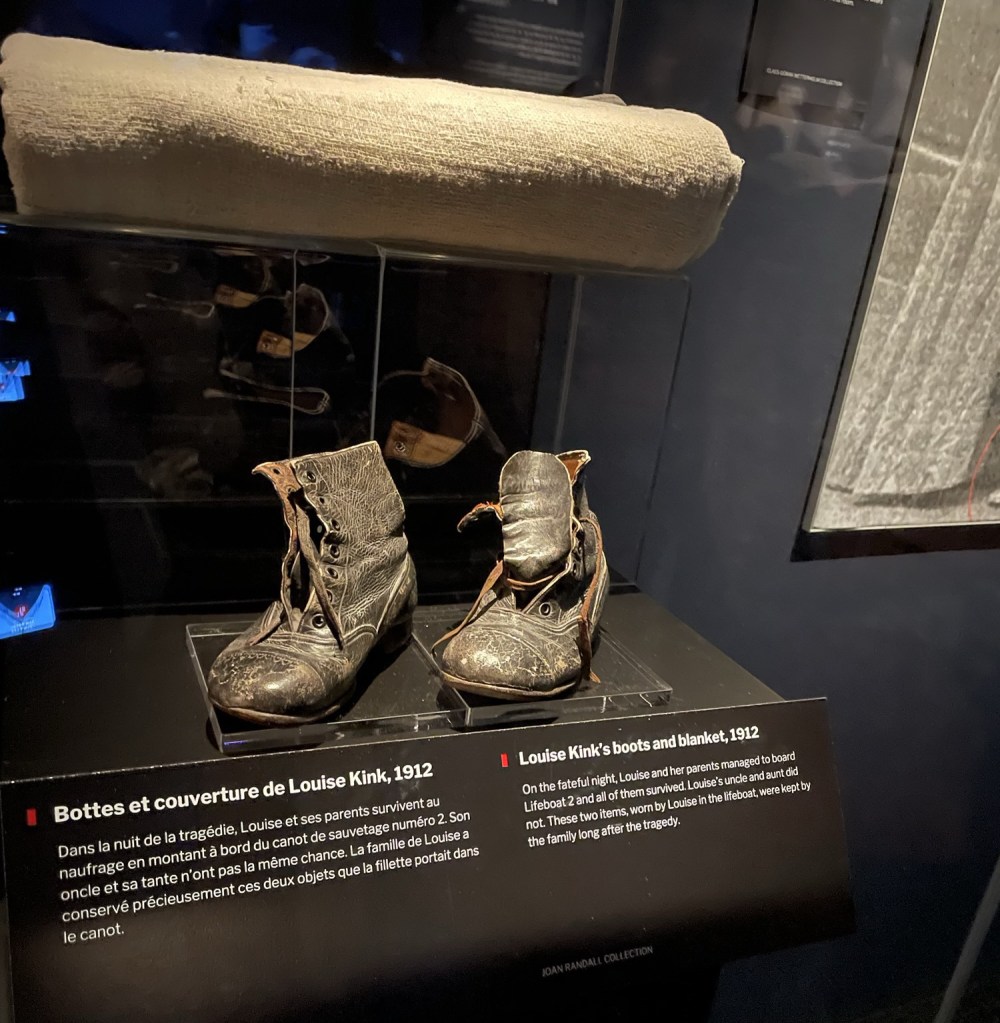
8. 4-year-old Louise Kink’s boots and blanket she was rescued in:
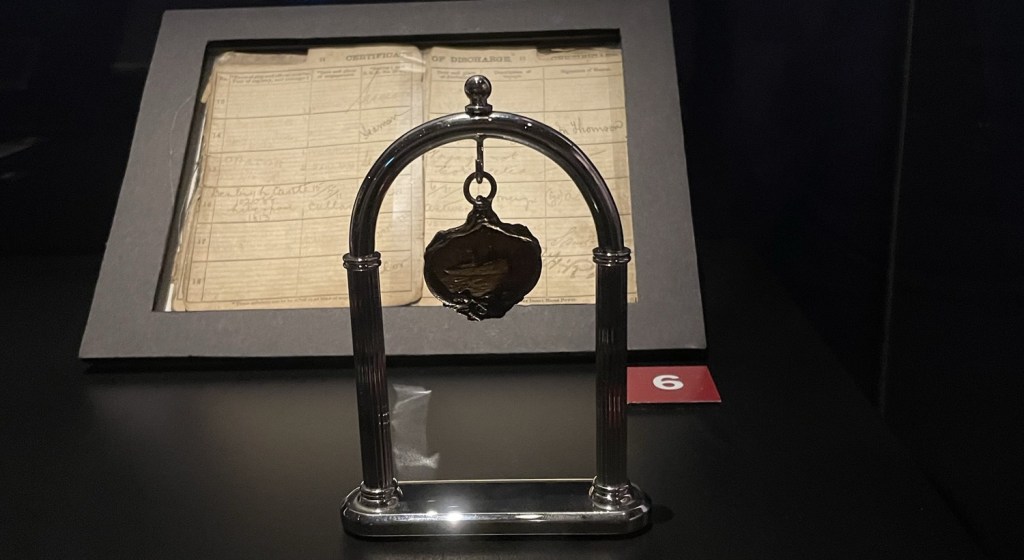
9. Medals and medallions given to Carpathia officers and crew by Margaret Brown:
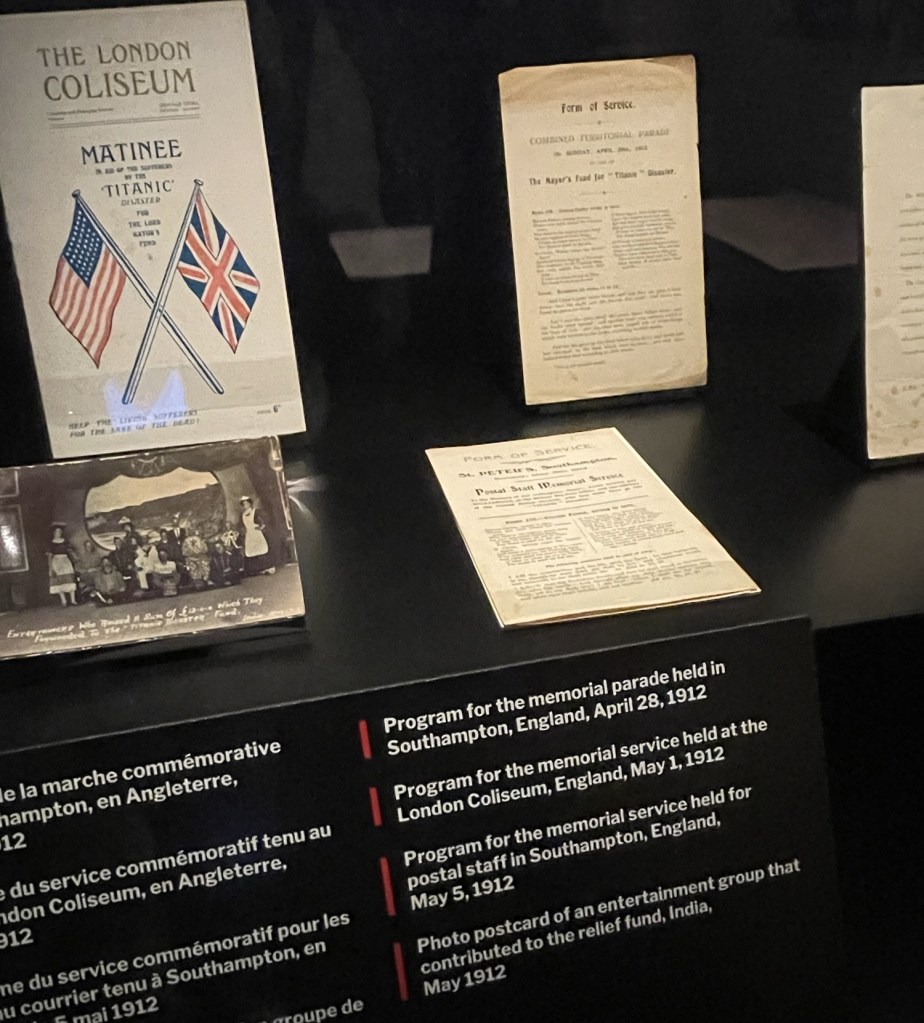
10. Programs for Southampton and London memorial services:
The exhibition was done very well. And it was honest about which items were from Titanic vs. Olympic and other White Star Line ships.
Visitor info
Titanic: The Human Story is open through March 8, 2026.
I suggest purchasing your ticket ahead of time through the Musée de la Civilisation website. Your ticket will also include admission to the rest of the museum, which is worth the time to check out.
Headsets are free, and highly recommended.
Definitely stop by the gift shop for souvenirs that include the official exhibit program.
For those traveling to Québec City by cruise ship, the museum is located within one-quarter mile of the cruise terminal.
 NauticalNotebook