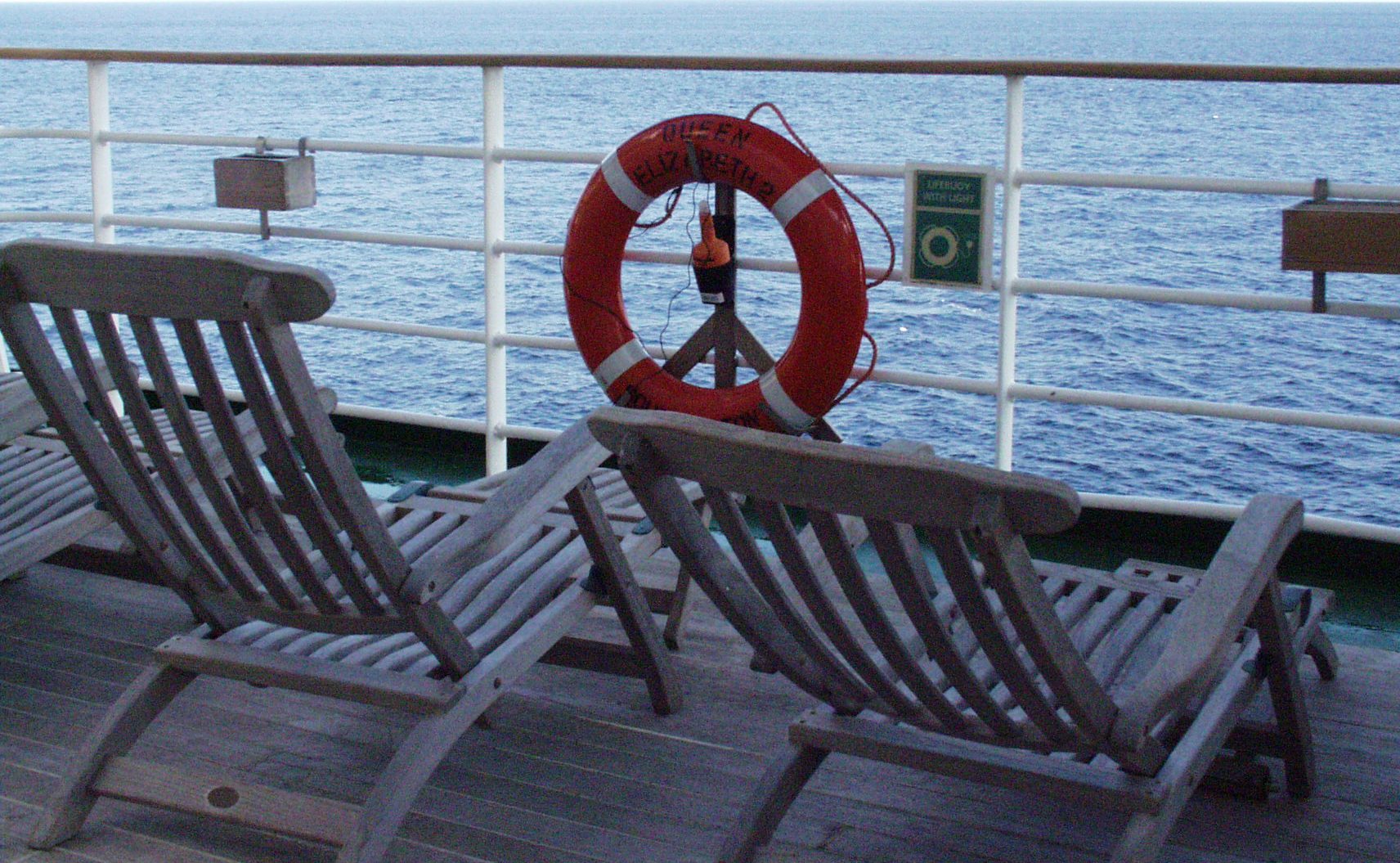
I’m long overdue in posting my thoughts on Titanic: The Artifact Exhibition, which I attended in Boston in early November 2024. (It runs through June 1, 2025.)
I came away with mixed feelings. On the positive side, it communicated the immensity of the tragedy, particularly the human cost, very well. However, there were numerous errors that, for the experienced Titanic researcher such as myself, detracted from the experience.
What I liked
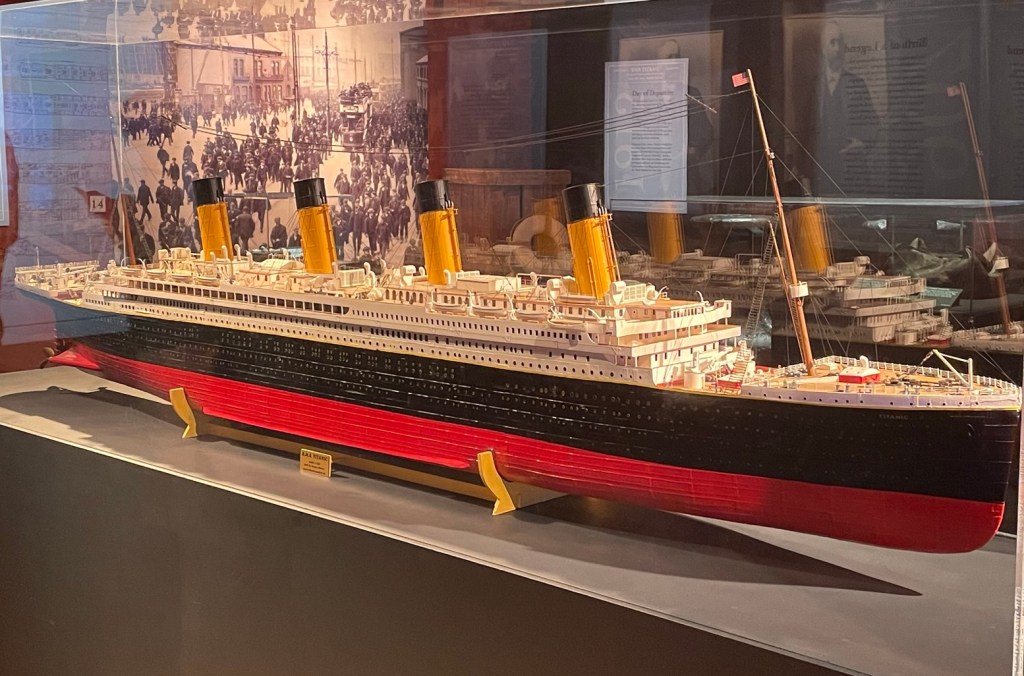
Titanic model. I walked around this case several times to take in the incredible detail of this 1:100 model built by Jurgen Kliewe (TitanicModell.de).

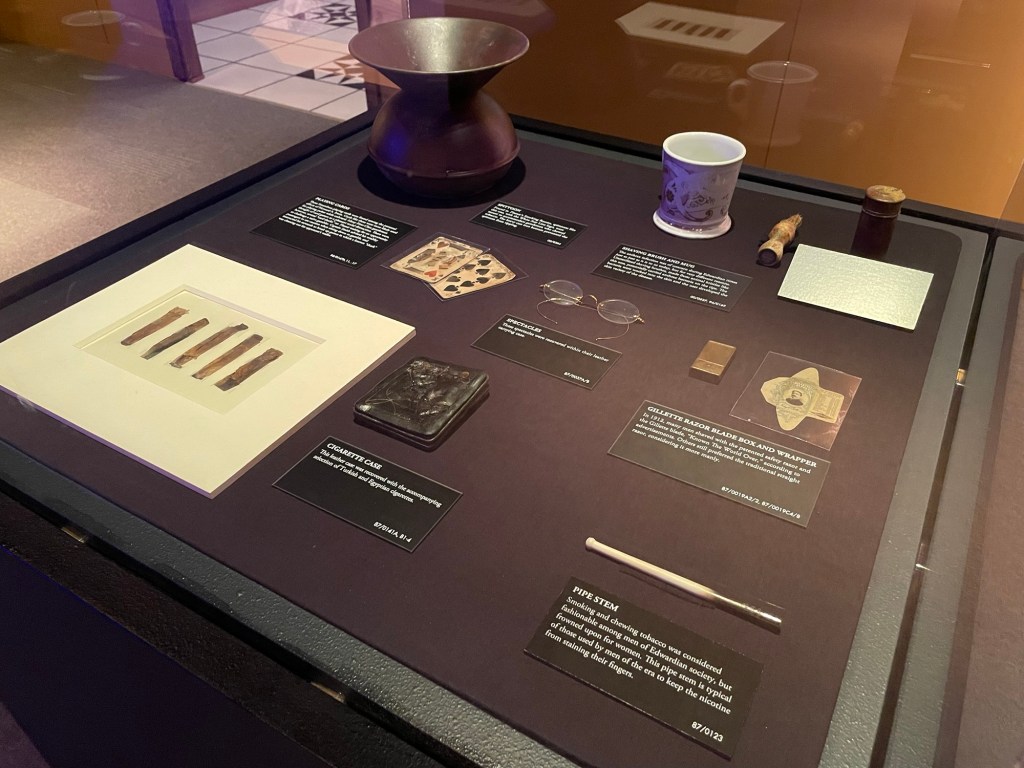
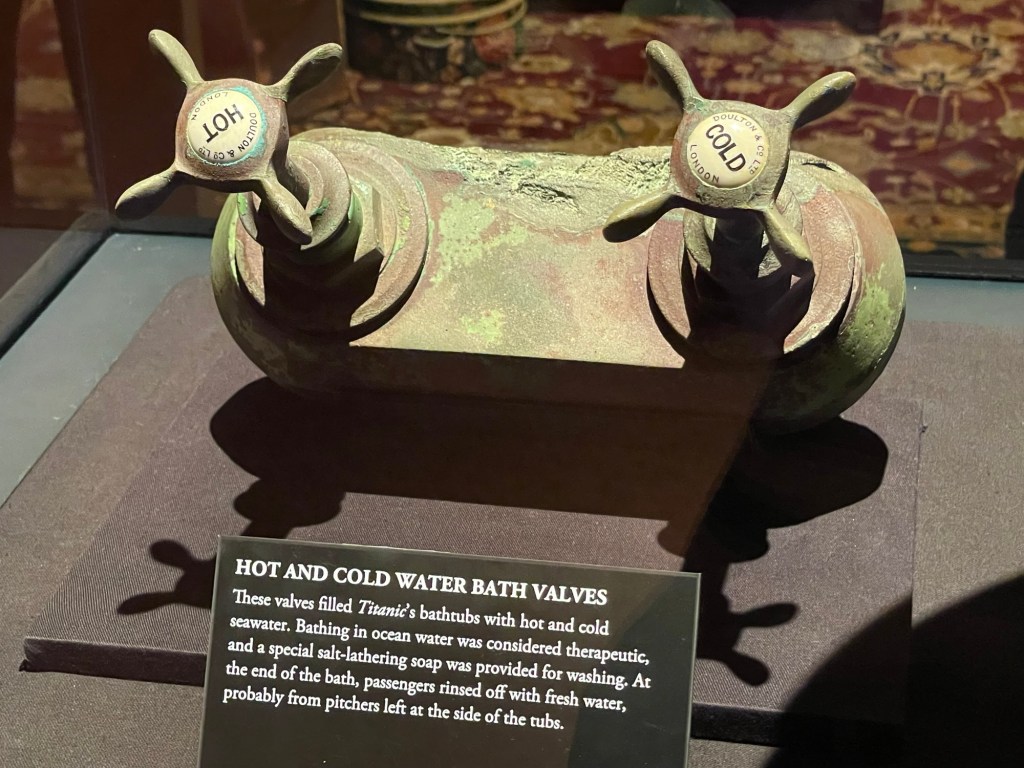
Human connection. For me that’s what it’s all about. The tools, luggage, postcards, playing cards, eyeglasses, currency, bathroom faucets, and more—all touched by human hands, and some even belonging to identified passengers—truly made it personal.
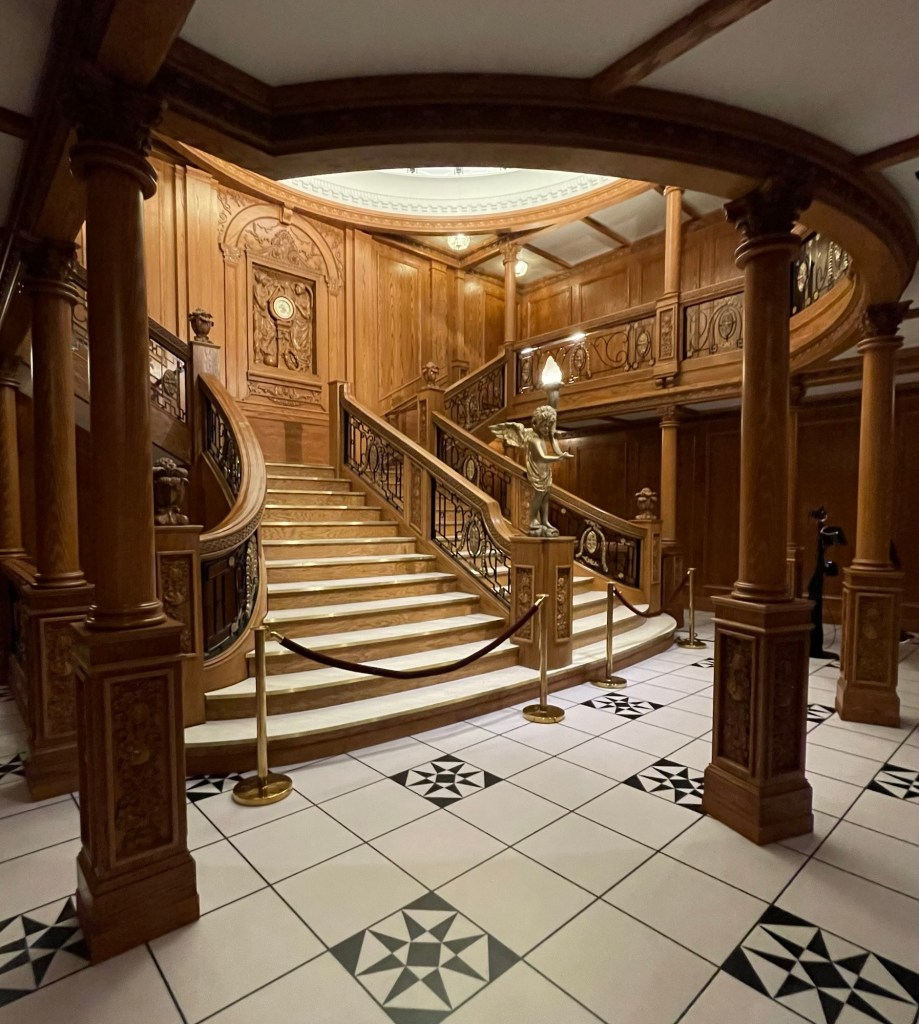
Grand Staircase. My study of Titanic started with the interior design of the ship and grew to focus on the people. And this is where they came together. I actually found myself tearing up as I envisioned those I’ve come to know making their way along the stairs that inspired this full-scale recreation.
Background music. Good exhibits treat more than just the visual sense, and the instrumental music was wonderful and enhanced the experience. Among the tunes I heard were Glow Worm and Oh, You Beautiful Doll. (Aside: the latter was a favorite of my grandmother, who often sang it to me when I was a child.)
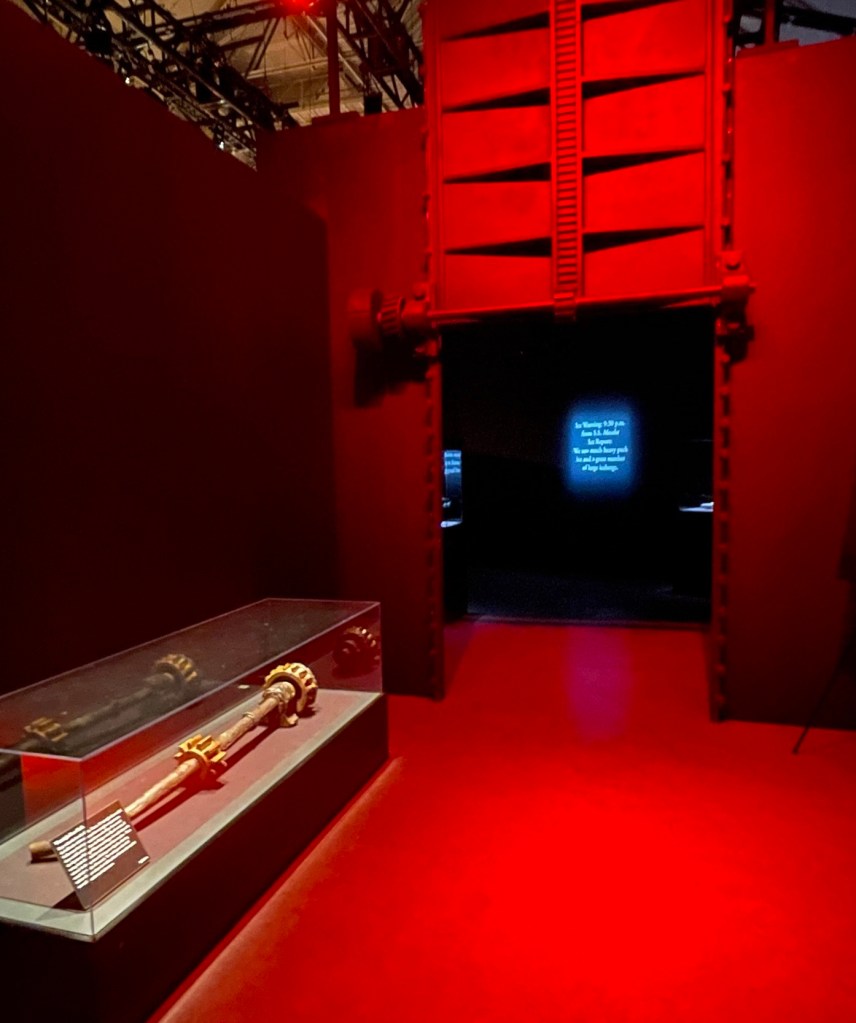
Boiler room. While it was not interactive like its counterparts in Pigeon Forge and Branson, the boiler room section was still exceptional. It was hot in there! And there were photos of several crew members, a watertight door shaft (from the bulkhead between Boiler Rooms 1 and 2), and a life-size depiction of a watertight door.
Could have been better
Fact-checking. Accuracy is important when putting together a historical exhibit, and RMS Titanic, Inc. (RMSTI) missed the mark several times.
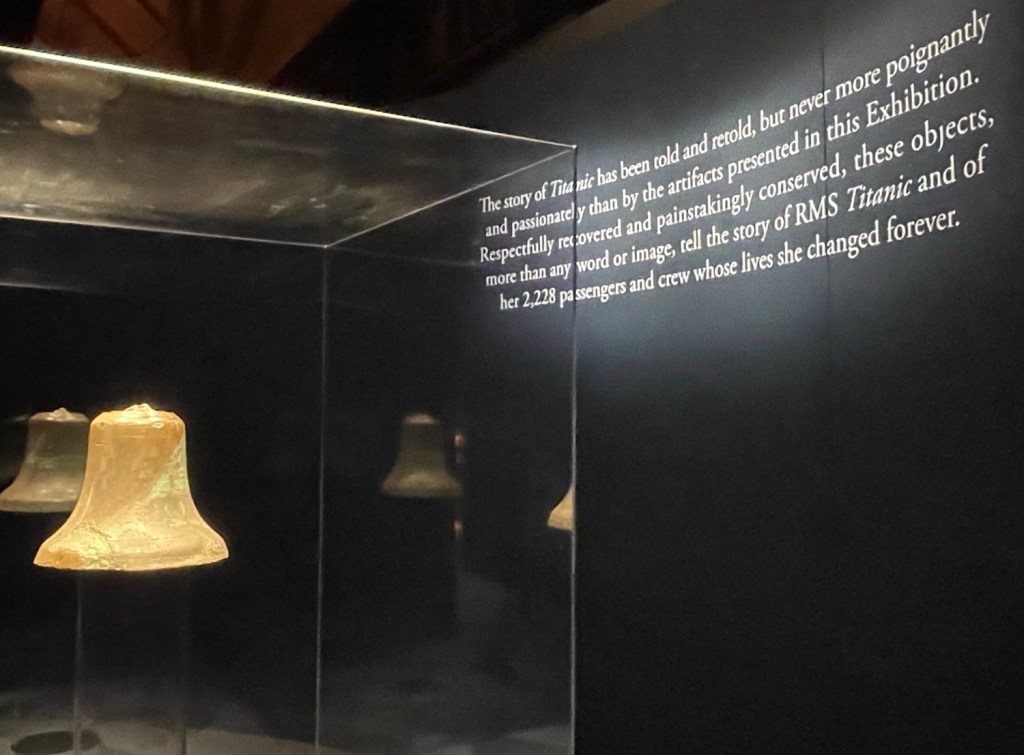
First, there were repeated errors in the passenger totals. For example, the audio tour stated there were 1,523 lives lost (it’s actually 1,496), and a sign near the entry noted a total of 2,228 passengers and crew (it’s actually 2,208). Similarly, the passenger roster at the end of the exhibit contained erroneous figures. This is not nitpicky. RMSTI has a responsibility to get it right. The exact passenger count has been known and accepted for many years.
There were also careless errors on the passenger card I received upon arriving. (The plural of Straus is Strauses, not Straus’s, and Ida and Isidor had traveled with their granddaughter, not daughter.) Again, attention to detail is important, and thus credibility was questioned from the start.

One more that I noticed a was a photo labeled as Titanic that is well known in the Titanic community as her sister ship Olympic.
I think I made my point, so let’s move on.
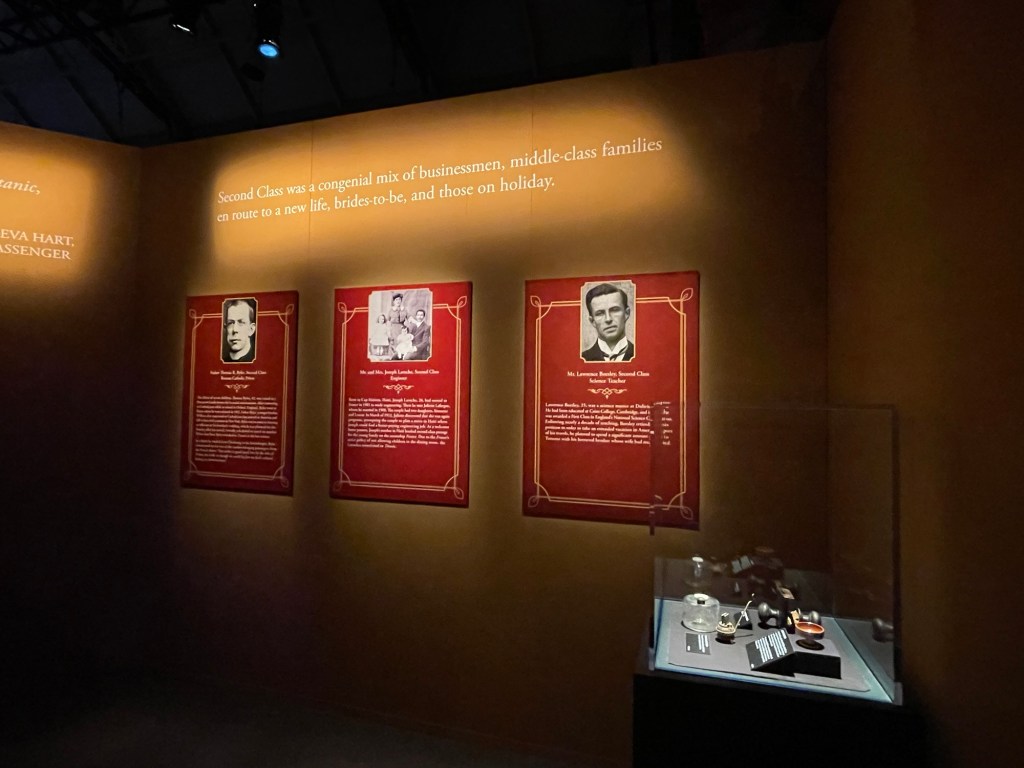
Vastly underrepresented Second Class. This was typical of many ocean liner history exhibits, but still disappointing. Other than small items mixed in within the larger exhibit space, the Second Class section was just a small area with biography cards of 3 parties and 4 artifacts (that included a doorknob from a Third Class cabin ).
No souvenir booklet. Although the gift shop gets rave reviews from me for its variety, it would have been nice to purchase a book listing the artifacts on exhibit.
Tips for visitors
Once you get to the building (Castle at Park Plaza), the entrance is on the Columbus Avenue side of the building.
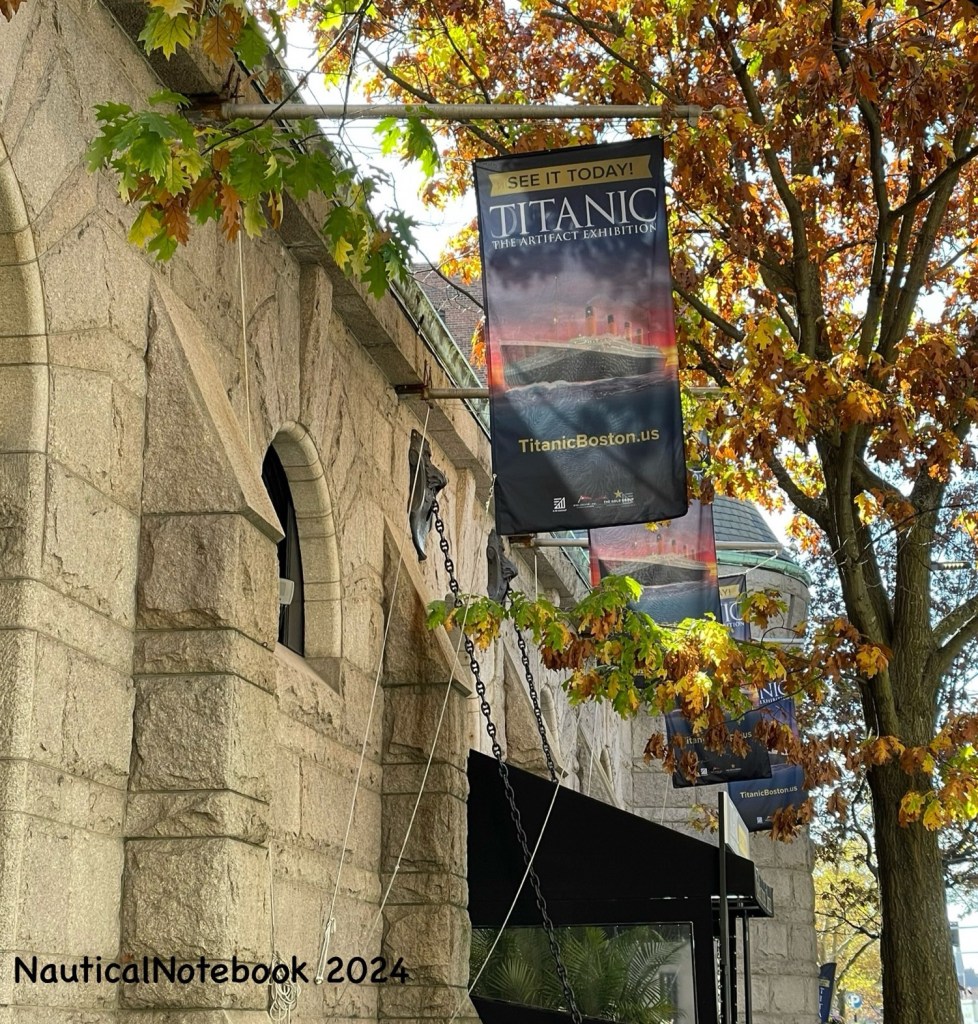
It was easy to get tickets. I booked, in advance, an anytime slot for $10 more than a timed entry, which was worth it for me as I’m impatient. (Then again, I went solo, so it wasn’t a huge add-on.)
Headsets (an extra $7.50) worked well. We’re asked to leave an ID when picking them up, which was fine as I honestly would have left unknowingly with them otherwise. (This also means that they were comfortable.)
Concluding thoughts
Overall, I’d recommend the Boston Titanic Exhibition to recent or budding Titanic enthusiasts. As for more seasoned researchers, you will likely not learn anything new, although some of the artifacts and stories are very meaningful and emotional. Either way, don’t take everything as fact, but instead use it as a springboard for further learning.
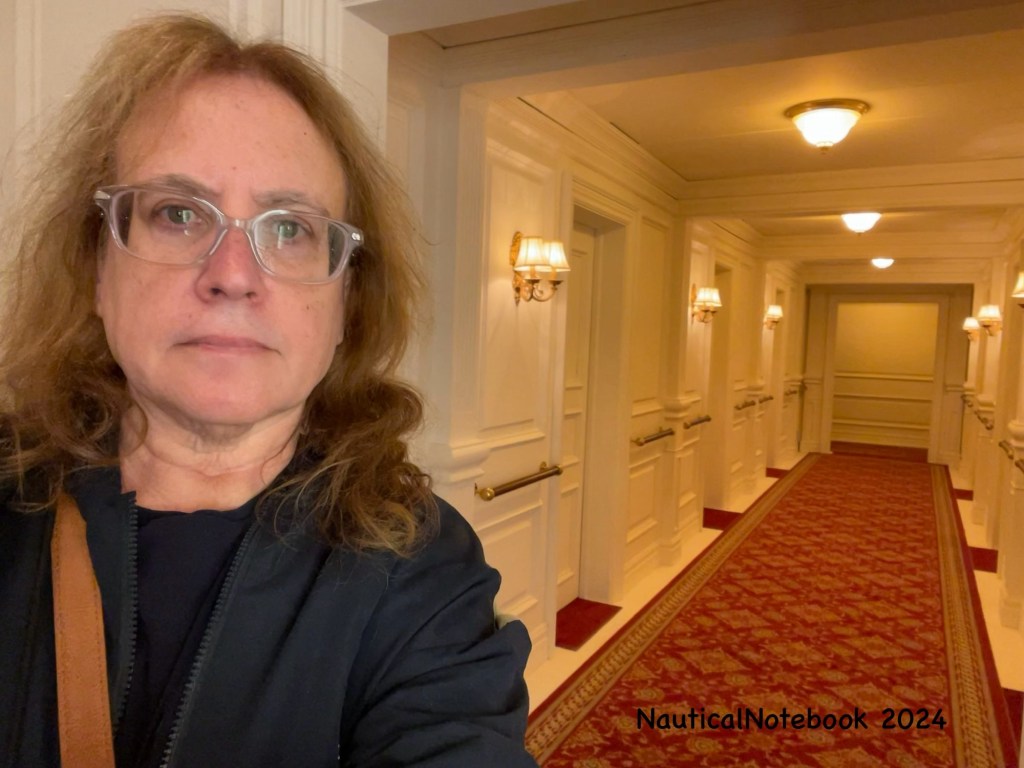
All photographs (c) Lisa Plotnick and NauticalNotebook.com 2024.
 NauticalNotebook